
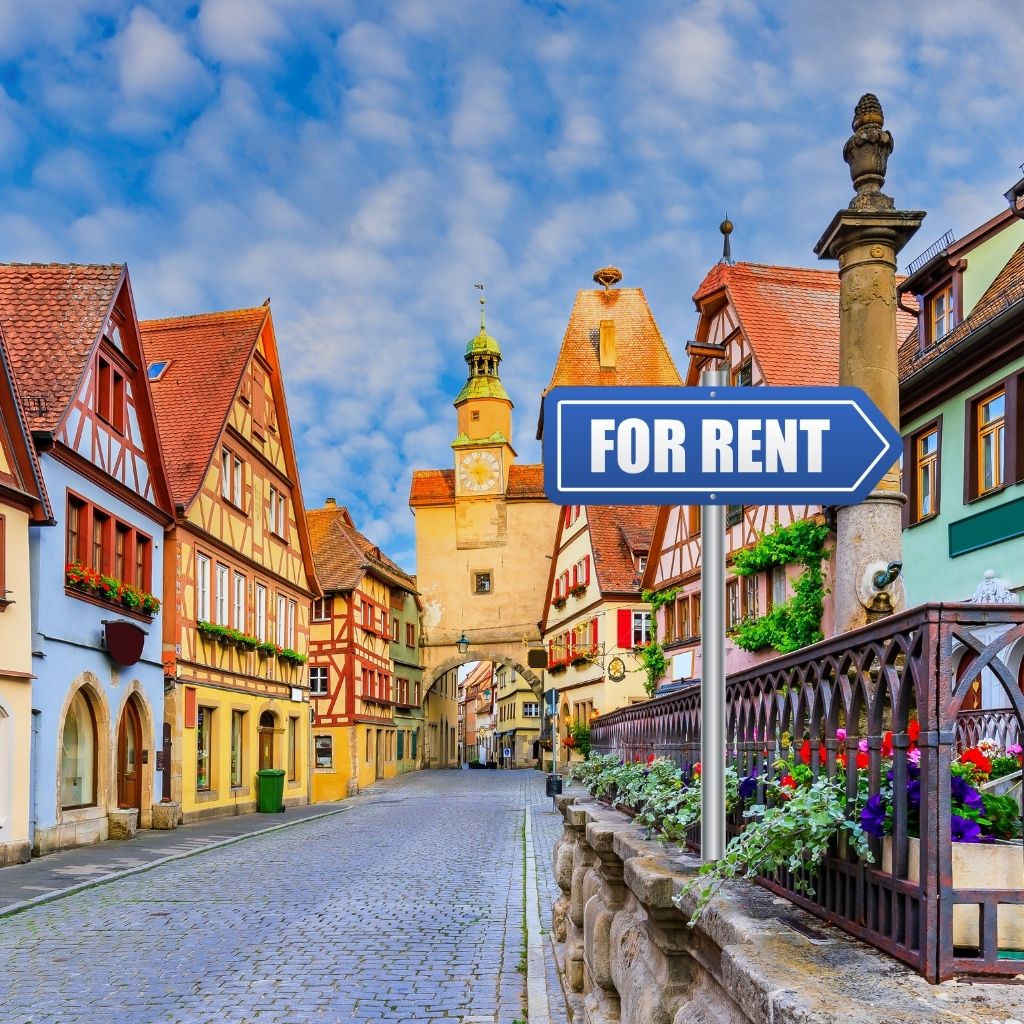
One of the most common concerns for anyone planning to live in Germany is the process of renting an apartment or a room. Rental prices vary from city to city, and there are also significant differences between renting an entire apartment and renting just a room.
How Does the Rental System Work in Germany?
- Deposit (Kaution): Usually 2 to 3 months’ rent is required as a deposit. This serves as security to ensure the tenant hands over the apartment without damage when moving out.
- Agent Commission (Maklerprovision): If the apartment is rented through a real estate agent, a commission equal to 1–2 months’ rent may apply. However, most listings are provided directly by landlords.
- Documents: Tenants are typically asked for a Schufa record (credit score), payslips, ID/passport copy, and sometimes a guarantor (Bürge).
- Rental Contract: Contracts are usually open-ended. Rent increases are regulated by law and limited to certain rates.
Room Rental (WG) System
In Germany, the WG (Wohngemeinschaft) system, where multiple people rent rooms in the same apartment and share the kitchen and bathroom, is especially popular among students and young professionals. WGs are attractive because they are affordable and provide social opportunities.
- The deposit is usually equal to one month’s rent.
- Room prices range from €350 to €750 depending on the city and neighborhood.
- Contracts are generally more flexible and can be short-term.
Berlin

Apartment Rentals
- 1-Bedroom apartment: €600 – €1,100
- 2-Bedroom apartment: €1,100 – €1,600
- 3-Bedroom apartment: €1,600 – €2,500
Room Rentals
- Average: €350 – €700
For room rentals, WG-Gesucht is the most popular website in Berlin.
Berlin, with its 3.6 million population, cultural diversity, and advanced transportation network, is an attractive city for students.
Hamburg
Apartment Rentals
- 1-Bedroom apartment: €700 – €1,100
- 2-Bedroom apartment: €1,200 – €1,800
- 3-Bedroom apartment: €1,800 – €2,700
Room Rentals
- Average: €350 – €650
In Hamburg, Studenten-WG is one of the commonly used platforms for finding rooms.
Munich
Apartment Rentals
- 1-Bedroom apartment: €1,100 – €1,600
- 2-Bedroom apartment: €1,600 – €2,500
- 3-Bedroom apartment: €2,400 – €3,500
Room Rentals
- Average: €450 – €800
For room rentals in Munich, HousingAnywhere is recommended.
Cologne

Apartment Rentals
- 1-Bedroom apartment: €650 – €1,100
- 2-Bedroom apartment: €1,100 – €1,700
- 3-Bedroom apartment: €1,700 – €2,400
Room Rentals
- Average: €350 – €600
In Cologne, WG-Suche is one of the most well-known sites for finding rooms.
Frankfurt

Apartment Rentals
- 1-Bedroom apartment: €800 – €1,300
- 2-Bedroom apartment: €1,200 – €2,000
- 3-Bedroom apartment: €1,900 – €2,900
Room Rentals
- Average: €450 – €750
For room rentals in Frankfurt, Roomlala is frequently preferred.
Living and Working in Germany
Renting an apartment or a room is only the first step. Those who want to build a long-term life in Germany need to have their profession recognized. This process is carried out through IHK Fosa or KMK (ZAB). You can find detailed information on our page here.
On the other hand, finding a job is crucial to obtaining a visa. You can follow current job listings on our job listings page.
Conclusion
The rental system in Germany varies depending on the structure and price level of each city. While Berlin and Cologne offer relatively affordable options, Munich is known for its high rental costs. Room rentals are a more economical alternative. Those planning to build a life in Germany should carefully research both rental conditions and professional recognition processes before taking steps.